
Tsundere, Yandere, Kuudere: An Introduction to 'Dere' Types

In the vast, vibrant ecosystem of storytelling, certain character patterns emerge, as reliable as seasons. We recognize the stoic hero, the wise mentor, the bumbling sidekick. But within the specific biomes of anime and manga, a more nuanced and fascinating classification system exists for matters of the heart: the 'Dere' matrix.
The term might sound arcane, but its root is simple. "Dere" is a clipping of "deredere" (デレデレ), a Japanese onomatopoeia for being utterly love-struck or "lovey-dovey." When attached to a prefix that describes a personality quirk, it creates a shorthand for a specific romantic archetype. Think of it as a personality operating system, one that dictates how a character processes and expresses affection. These aren't just tropes; they are complex emotional blueprints that make characters relatable, frustrating, and deeply compelling.
Let's unpack some of the most iconic models in the 'Dere' lineup.
The Tsundere: The Emotional Fortress
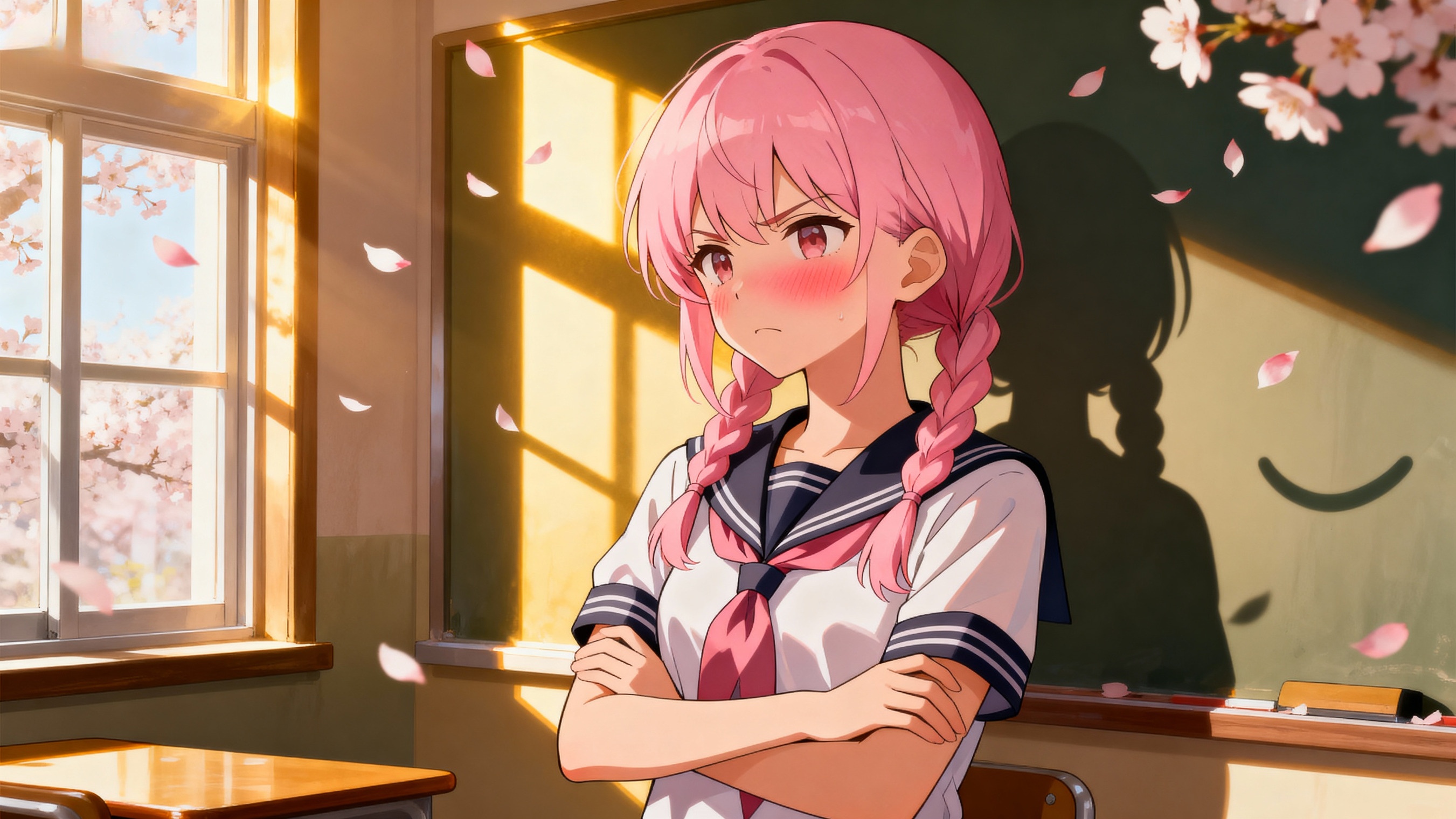
Perhaps the most famous of the archetypes, the Tsundere is a walking paradox. The "tsun" comes from "tsun tsun" (ツンツン), the act of turning away in disgust or anger. This character is an emotional fortress, fortified with sharp words, feigned indifference, and sometimes even a comical display of aggression. They operate on a simple, terrified premise: vulnerability is weakness.
Yet, behind the high walls and defensive cannons lies a startlingly soft interior. A Tsundere's affection leaks out not in grand declarations, but in begrudging acts of kindness. They'll insult you while handing you a warm drink, or declare "It's not like I made this for you or anything!" while presenting a perfectly cooked meal. They are the emotional equivalent of a cat that scratches you and then curls up on your lap, demanding affection on its own prickly terms.
The Yandere: The Loving Anomaly
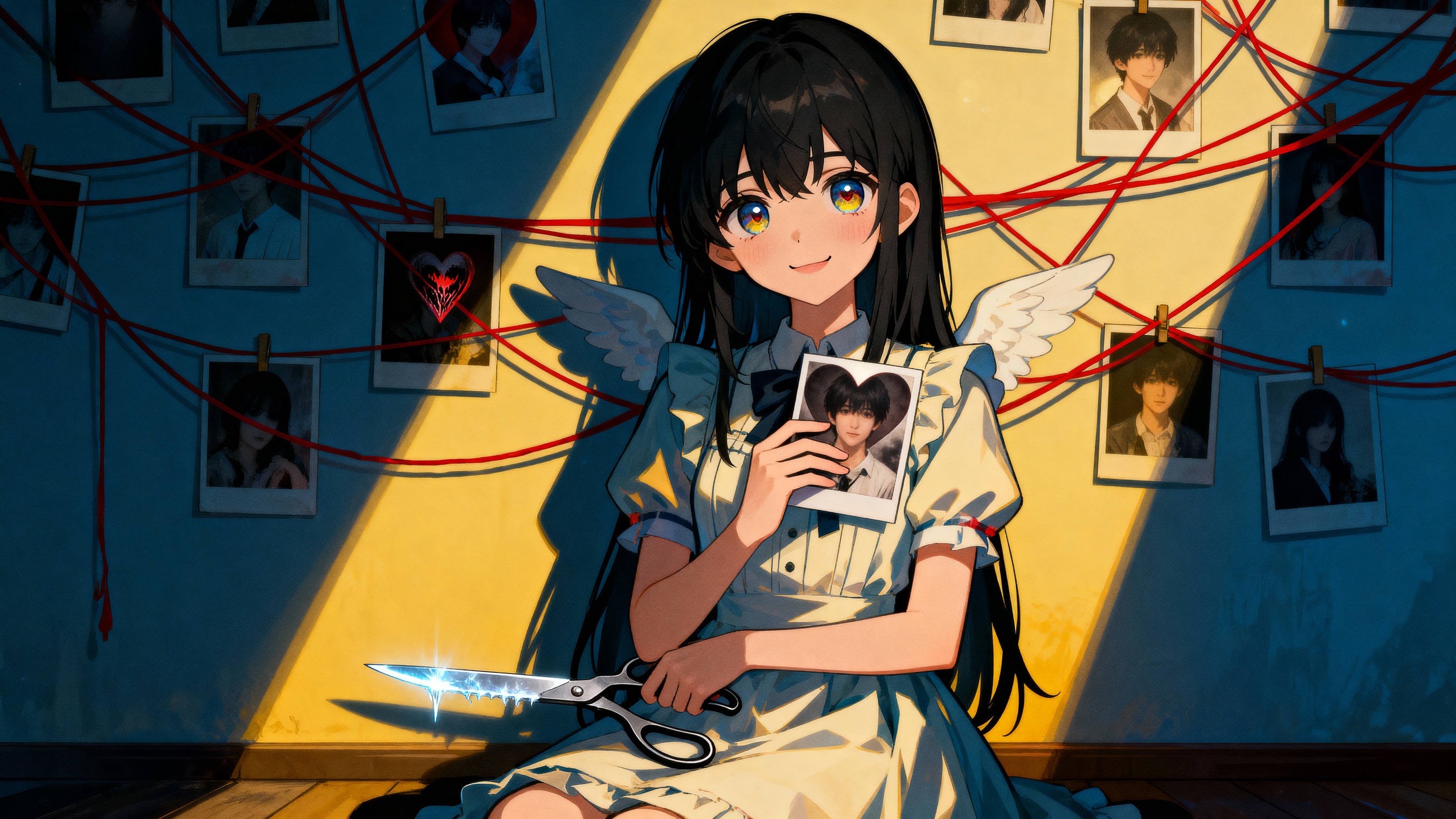
On the surface, the Yandere is a dream. They are sweet, gentle, and adoring. But the "yan" in their name comes from "yanderu" (病んでる), which means "to be sick." Their love isn't just a feeling; it's a condition. It begins as a benign affection and metastasizes into a dangerous, all-consuming obsession.
A Yandere’s love is a star collapsing into a black hole—its gravitational pull becomes so immense that nothing, especially not rivals or perceived threats, can escape. Their sweetness is the bait in a beautiful, terrifying trap. They will do anything to protect their beloved, and "anything" is a keyword that often includes kidnapping, psychological warfare, and worse. They are the ultimate expression of love as a pathology, a terrifyingly compelling portrait of devotion without boundaries.
The Kuudere: The Emotional Glacier
The Kuudere is the arctic region of the 'Dere' world. The "kuu" is a Japanese borrowing of the English word "cool." These characters are outwardly calm, collected, and seemingly emotionless. They speak in a measured monotone, their faces rarely betraying the thoughts swirling beneath. To the casual observer, they are glaciers—impassive, distant, and cold to the touch.
But a glacier is not just ice; it's a massive body of slow-moving, powerful force. A Kuudere's affection operates on a similar principle. They express their deep-seated loyalty and care not through blushing confessions, but through subtle, decisive action. They are the ones who will silently solve your biggest problem, offer a piece of logical advice that saves the day, or simply stand by your side when everyone else has left. Their love is a quiet, profound hum beneath the silence.

The Dandere: The Hidden Garden
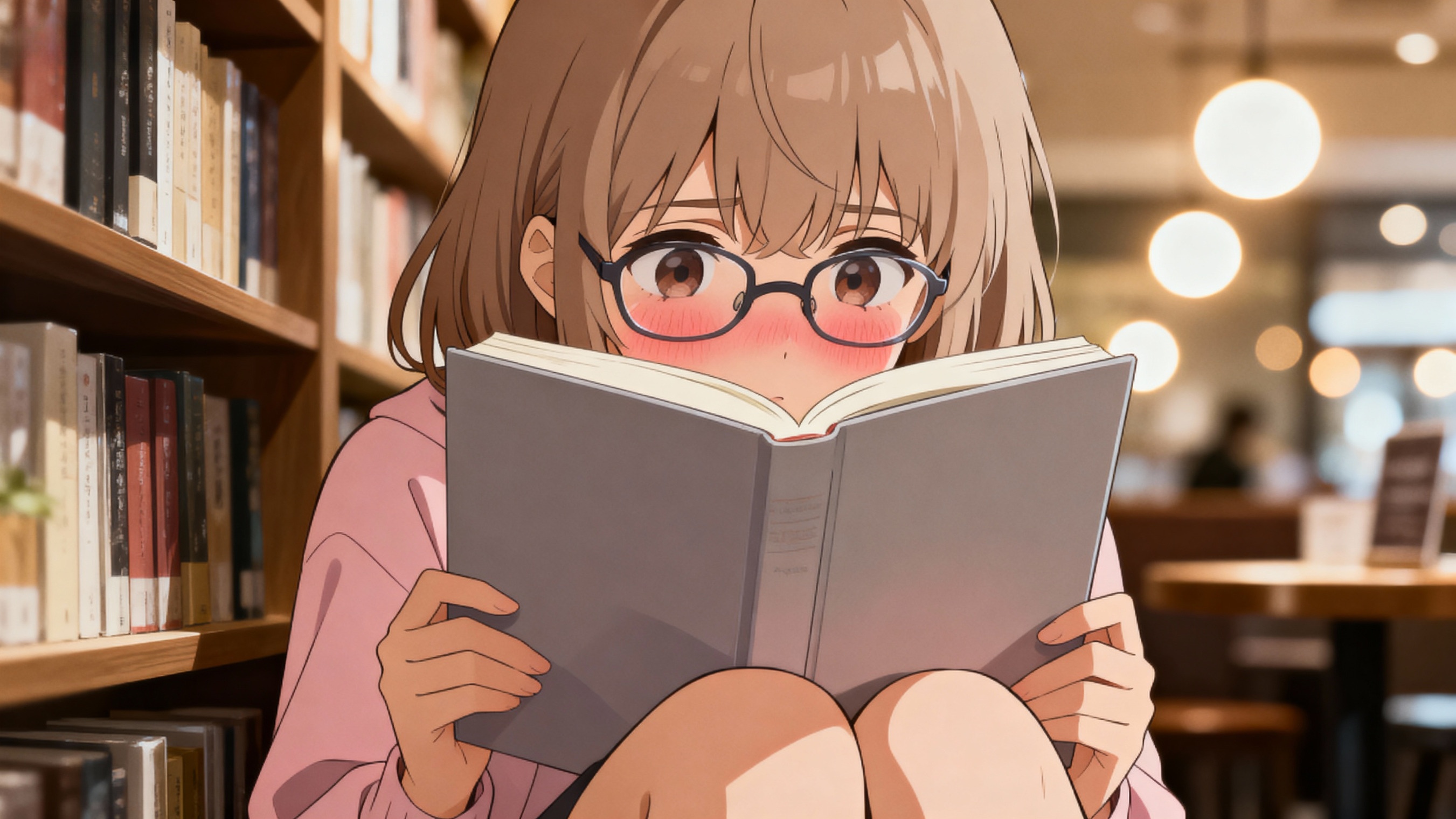
Shy, quiet, and often lost in a book, the Dandere is the archetype of silence. The "dan" is derived from "danmari" (黙り), meaning to keep silent. Social interaction can be overwhelming for them, causing them to stammer, blush, or retreat into themselves entirely. They are the hidden gardens of the personality world, enclosed by the high walls of social anxiety.
However, give a Dandere the right key—a person they trust, a moment of genuine comfort—and the gate swings open. Inside, you'll find a world of warmth, kindness, and surprising insight. When they finally speak, their words are often thoughtful and deeply felt. Their journey is about finding the courage to let someone into their serene, secluded world.
What's Your 'Dere' Type?
Do you recognize the prickly defensiveness of the Tsundere in yourself? Or the quiet loyalty of the Kuudere? Maybe you’re the openly affectionate Deredere, a ray of pure sunshine. The 'Dere' matrix is more than just a way to classify anime characters; it’s a fun, surprisingly insightful lens through which to view our own emotional wiring.
Curious to find out where you fall on the spectrum? We've designed a quiz to help you pinpoint your inner archetype. Are you a fortress, a glacier, or something else entirely?
Take the "Which Dere Are You?" test on Quiz Cabin and unlock your personality's secret operating system!
Article by Simon Adler
Published on October 19, 2025


